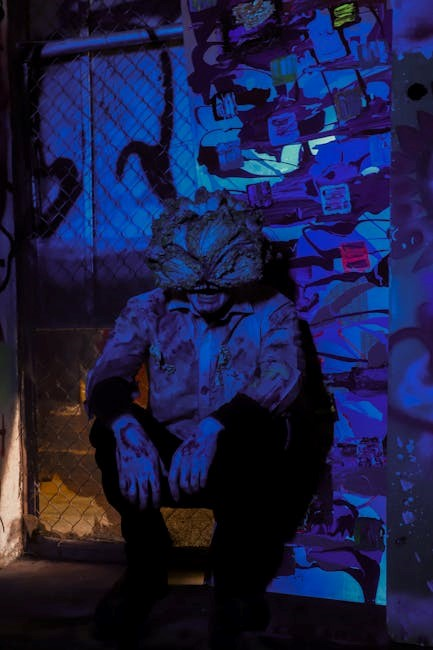
The Field Guide to Evil: A Comprehensive Exploration
The Field Guide to Evil unveils eight distinct horror stories‚ globally sourced and rooted in local folklore‚ offering a chilling exploration of universal fears and dark narratives.
The Field Guide to Evil distinguishes itself as a unique horror experience – a feature-length anthology film comprised of eight independently crafted short films. Each segment originates from a different director‚ set within a distinct global location‚ and deeply inspired by the region’s unique folklore and mythology.
This isn’t simply a collection of scary stories; it’s a curated exploration of how cultures worldwide conceptualize and grapple with evil. The anthology draws heavily from myths‚ lore‚ and traditional folktales – the very foundations upon which the modern horror genre was built. These narratives were originally designed to provide explanations for humanity’s deepest anxieties‚ and The Field Guide to Evil revitalizes this tradition.
The film employs a clever narrative device: a flying‚ CGI-animated book that periodically appears‚ opening to introduce each new tale. This book serves as a framing element‚ connecting the disparate stories and lending a fairytale-like quality to the often-dark cautionary tales presented within.
The Core Concept: Folklore and Horror
The Field Guide to Evil fundamentally operates on the premise that the most potent horror stems from deeply ingrained cultural beliefs. The anthology doesn’t invent new monsters; it exhumes existing ones from the rich tapestry of global folklore. These aren’t simply jump scares‚ but explorations of anxieties already present within specific communities.
The film’s strength lies in its recognition that myths‚ legends‚ and folktales served as early attempts to rationalize and confront humanity’s darkest fears. By revisiting these traditional narratives‚ the anthology taps into a primal level of dread‚ resonating with audiences on a subconscious level. Each story functions as a modern reimagining of a cautionary tale.
This approach elevates The Field Guide to Evil beyond typical horror tropes‚ offering a nuanced perspective on evil that is both culturally specific and universally relatable. It demonstrates how fear manifests differently across the globe‚ yet remains a constant human experience.
The Unique Structure: A Flying Book as Narrative Device
The Field Guide to Evil employs a distinctive framing device: a flying‚ CGI-animated book. This isn’t merely a stylistic flourish; it actively functions as the anthology’s narrator and structural backbone. The book serves as a portal‚ opening to reveal each individual horror segment‚ creating a sense of discovery and anticipation.
Initially presented with charming cut-out animation reminiscent of vintage illustrations‚ the book’s recurring appearances provide connective tissue between the otherwise disparate stories. Each time it appears‚ it flips open‚ signaling a transition to a new location and a new tale of terror. This visual motif reinforces the idea of a curated collection of folklore.
The book’s presence subtly suggests that these stories aren’t random occurrences‚ but rather carefully preserved warnings – dark‚ fairytale-like cautionary tales – waiting to be rediscovered. It’s a clever way to unify the anthology and enhance its overall thematic resonance.

Story Breakdown & Analysis
The Field Guide to Evil presents eight segments‚ each a fifteen-minute short film crafted by different directors‚ exploring diverse cultural mythologies and horror traditions worldwide.
Segment 1: “The Sinister Statuette” (Indonesia) ⸺ Origins & Themes
“The Sinister Statuette‚” originating from Indonesia‚ initiates the anthology with a chilling tale deeply embedded in local folklore. This segment exemplifies the film’s core concept: translating traditional myths into modern horror. The story centers around a cursed object – a statuette – and the misfortune it brings upon those who possess it.
Key themes explored include the dangers of greed‚ the power of ancestral spirits‚ and the consequences of disrespecting cultural traditions. The narrative functions as a cautionary tale‚ warning against the allure of forbidden objects and the disruption of spiritual balance. The segment’s strength lies in its atmospheric tension and the effective use of Indonesian mythology to create a genuinely unsettling experience. It establishes the anthology’s pattern of introducing each story with contextual text detailing its origins‚ grounding the supernatural events in a specific cultural landscape.
Segment 2: “The Grandmother” (Mexico) ⸺ Cultural Context & Horror Elements
“The Grandmother‚” hailing from Mexico‚ delves into the realm of supernatural horror deeply intertwined with cultural beliefs. This segment draws upon traditional Mexican folklore‚ specifically concerning ancestral spirits and the enduring influence of family lineage. The story unfolds with a palpable sense of dread‚ focusing on a family haunted by the vengeful spirit of their grandmother.
Horror elements are skillfully woven into the narrative‚ utilizing atmospheric tension and psychological unease rather than relying solely on jump scares. The segment explores themes of familial obligation‚ unresolved grief‚ and the consequences of past transgressions. The cultural context is crucial‚ as the grandmother’s spirit embodies a powerful connection to Mexican traditions surrounding death and remembrance. It serves as a chilling reminder of the respect owed to ancestors and the potential repercussions of neglecting those bonds‚ solidifying the anthology’s exploration of global fears.
Segment 3: “The Patient” (USA) ⸺ Modern Fears & Psychological Horror
“The Patient‚” representing the United States‚ distinguishes itself as the most mystifying entry within the anthology‚ shifting the focus to modern anxieties and psychological horror. Unlike segments rooted in ancient folklore‚ this story taps into contemporary fears surrounding mental health‚ isolation‚ and the unsettling ambiguity of reality. The narrative centers around a patient and their unsettling interactions with a medical professional‚ blurring the lines between sanity and delusion.
The horror is primarily psychological‚ building tension through unsettling imagery and a creeping sense of unease. It eschews traditional monster tropes in favor of exploring the fragility of the human mind and the potential for darkness within. This segment reflects a distinctly American perspective on fear‚ highlighting anxieties prevalent in modern society. It’s a chilling exploration of the unknown‚ leaving viewers questioning the nature of perception and the reliability of their own senses‚ adding a unique layer to the anthology.
Segment 4: “The Flayed” (Brazil) ⎻ Mythology & Visual Horror
“The Flayed” from Brazil plunges viewers into a realm of striking visual horror deeply intertwined with local mythology. This segment draws upon Brazilian folklore‚ specifically tales of creatures and entities associated with the darker aspects of the country’s spiritual beliefs. The story doesn’t shy away from graphic imagery‚ presenting a visceral and unsettling experience that emphasizes the physical manifestation of evil.
The narrative explores themes of sacrifice‚ possession‚ and the consequences of disturbing ancient forces. It’s a visually arresting segment‚ utilizing practical effects and unsettling creature design to create a truly terrifying atmosphere. “The Flayed” stands out for its commitment to showcasing a unique cultural perspective on horror‚ offering a glimpse into the fears and beliefs that have shaped Brazilian folklore for generations. It’s a powerful and disturbing addition to the anthology‚ showcasing the raw power of visual storytelling.
Segment 5: “The Pale Woman” (South Africa) ⸺ Folklore & Atmospheric Tension
“The Pale Woman”‚ originating from South Africa‚ distinguishes itself through its masterful creation of atmospheric tension and reliance on deeply rooted folklore. Unlike segments leaning heavily on gore‚ this story builds dread through suggestion and a haunting ambiance. It taps into traditional beliefs surrounding spirits and entities that prey on the vulnerable‚ particularly within rural communities.
The narrative focuses on a chilling encounter with a spectral figure – the Pale Woman – and the psychological impact she has on those who cross her path. The segment excels at portraying a sense of isolation and helplessness‚ utilizing sound design and cinematography to amplify the feeling of unease. It’s a slow-burn horror experience‚ prioritizing psychological terror over jump scares‚ and offering a compelling exploration of South African folklore and its enduring power to instill fear.
Segment 6: “The Hag” (Italy) ⎻ Traditional Beliefs & Supernatural Threat
“The Hag”‚ set in Italy‚ delves into the realm of traditional beliefs surrounding nocturnal demons and the supernatural threat they pose. This segment draws heavily from folklore concerning creatures that torment sleepers‚ inducing nightmares and a sense of paralyzing dread. The story embodies the classic archetype of the hag – a malevolent‚ often elderly woman – who preys on the unsuspecting.
The narrative skillfully builds tension by focusing on the vulnerability of the characters and the oppressive atmosphere of the setting. It explores the fear of the unknown and the helplessness one feels when confronted with a supernatural force. “The Hag” doesn’t rely on excessive gore‚ instead opting for psychological horror and a chilling depiction of ancient superstitions. It’s a potent reminder of the enduring power of folklore and the primal fears it represents.

Segment 7: “The Ritual” (Japan) ⎻ Cultural Significance & Dark Practices
“The Ritual”‚ originating from Japan‚ is steeped in cultural significance‚ exploring dark practices and the consequences of tampering with ancient traditions. This segment doesn’t merely present horror; it offers a glimpse into the complex relationship between spirituality‚ societal norms‚ and the potential for malevolent forces. The story likely touches upon Shinto or Buddhist beliefs‚ potentially involving ancestral spirits or forbidden ceremonies.
The narrative’s strength lies in its ability to portray the unsettling atmosphere and the weight of cultural expectations. It suggests that disrupting established rituals can unleash unforeseen and terrifying repercussions. The segment likely emphasizes the importance of respect for tradition and the dangers of hubris. “The Ritual” provides a chilling exploration of how deeply ingrained beliefs can become sources of both comfort and profound fear‚ showcasing a unique perspective on evil.
Segment 8: “The Collector” (Germany) ⸺ Gothic Horror & Moral Dilemmas
“The Collector”‚ set in Germany‚ leans heavily into gothic horror tropes‚ presenting a narrative rich in atmosphere and psychological tension. This segment delves into complex moral dilemmas‚ questioning the boundaries of obsession and the consequences of unchecked ambition. The story likely features a protagonist driven by a dark compulsion‚ perhaps involving the acquisition of rare or forbidden objects.
Expect a focus on themes of isolation‚ decay‚ and the corrupting influence of power. “The Collector” doesn’t simply showcase monstrous acts; it explores the internal struggles of a character descending into darkness. The narrative likely examines the ethical implications of pursuing knowledge or beauty at any cost‚ presenting a chilling reflection on human nature and the seductive allure of the forbidden. It’s a segment that prioritizes psychological depth over jump scares.

Deeper Dive into Key Aspects
The anthology skillfully blends cautionary tales‚ global perspectives‚ and local mythologies‚ revealing the horror genre’s roots and exploring recurring motifs across segments.
The Role of Cautionary Tales

The Field Guide to Evil prominently features dark‚ fairytale-like cautionary tales‚ a cornerstone of its narrative structure. These segments aren’t merely designed to frighten; they echo the original purpose of folklore – to impart lessons and warn against dangerous behaviors.
Historically‚ myths‚ lore‚ and folktales served as explanations for humanity’s deepest fears‚ providing a framework for understanding the unknown. The anthology cleverly taps into this tradition‚ presenting each story with an introductory text detailing its origin and cultural context.

This framing device emphasizes the didactic nature of these tales. Each narrative functions as a warning‚ illustrating the consequences of transgression or disrespecting established boundaries. The film suggests that these ancient stories continue to resonate because the fears they address remain relevant‚ even in a modern context. They are a reminder of the enduring power of storytelling to shape behavior and transmit cultural values.
Global Perspectives on Evil
The Field Guide to Evil distinguishes itself through its diverse‚ international scope‚ presenting a truly global perspective on the concept of evil. The anthology isn’t confined to Western horror tropes; instead‚ it actively seeks out and showcases folklore from eight different countries – Indonesia‚ Mexico‚ the USA‚ Brazil‚ South Africa‚ Italy‚ Japan‚ and Germany.

This approach reveals that while the manifestation of evil may vary across cultures‚ the underlying fears and anxieties are often universal. Each segment draws upon unique local mythology and traditions‚ offering a glimpse into how different societies conceptualize darkness and the supernatural.
By juxtaposing these diverse narratives‚ the film highlights the common threads that connect human experiences of fear‚ guilt‚ and the unknown. It demonstrates that evil isn’t a monolithic entity‚ but rather a culturally constructed phenomenon‚ shaped by history‚ belief‚ and societal norms.
Visual Style and Cinematography Across Segments
The Field Guide to Evil doesn’t adhere to a single‚ unified visual style‚ instead embracing the distinct aesthetic sensibilities of each director and their respective cultural context. This deliberate choice enhances the anthology’s global feel‚ offering a varied and immersive cinematic experience.
While each segment maintains a consistent level of quality‚ the cinematography shifts dramatically‚ reflecting the unique atmosphere and thematic concerns of each story. Some segments lean into atmospheric tension and subtle horror‚ while others embrace more graphic and visceral imagery.
The film’s opening utilizes charming cut-out animation and CGI‚ introducing a recurring motif – a flying book – that serves as a narrative device. This framing device provides a visual link between the disparate segments‚ but doesn’t overshadow the individual stylistic choices of each filmmaker‚ resulting in a visually dynamic and compelling anthology.
The Anthology’s Connection to the Horror Genre’s Roots
The Field Guide to Evil deliberately taps into the foundational elements of the horror genre – myths‚ lore‚ and folktales. These ancient narratives‚ created to explain humanity’s deepest fears‚ historically laid the groundwork for what we now recognize as horror. The anthology doesn’t simply present modern horror; it excavates its origins.
Each segment functions as a contemporary retelling of a traditional cautionary tale‚ echoing the purpose of folklore: to impart moral lessons and warn against dangerous behaviors. By grounding its stories in specific cultural mythologies‚ the film highlights the universality of fear and the enduring power of storytelling.

The anthology’s structure‚ presenting self-contained narratives with clear origins‚ mirrors the way folklore was originally disseminated – orally‚ through shared stories passed down through generations. It’s a respectful nod to the genre’s roots‚ demonstrating how timeless fears continue to resonate across cultures.
Character Archetypes and Recurring Motifs
The Field Guide to Evil‚ while diverse in its settings and narratives‚ subtly employs recurring character archetypes common to folklore and horror. Often‚ protagonists are initially oblivious to the looming threat‚ embodying a sense of naive vulnerability before confronting ancient evils.

A prevalent motif is the transgression of boundaries – whether physical‚ moral‚ or spiritual – leading to dire consequences. Characters frequently tamper with forbidden knowledge or disrespect local traditions‚ triggering the supernatural events that unfold. The ‘outsider’ figure‚ unfamiliar with the local customs‚ often serves as a catalyst for the horror.
Furthermore‚ the anthology frequently features figures representing temptation or corruption‚ subtly guiding characters towards their downfall. These recurring elements‚ woven throughout the segments‚ reinforce the anthology’s thematic exploration of universal human flaws and the consequences of unchecked curiosity.
The Use of Local Mythology and Folklore
The Field Guide to Evil distinguishes itself through its deliberate and respectful integration of local mythology and folklore from around the globe. Each segment isn’t merely inspired by these traditions; it actively draws upon established myths‚ lore‚ and folktales‚ presenting them with a contemporary horror lens.
The anthology functions as a showcase of how these stories historically served as cautionary tales‚ attempting to explain mankind’s darkest fears and provide a framework for understanding the unknown. Directors don’t simply borrow elements; they immerse viewers in the specific cultural context of each legend.
From Indonesian statuettes to Japanese rituals and Brazilian mythology‚ the film demonstrates the universality of fear while celebrating the unique expressions of evil across different cultures. This approach elevates the horror‚ grounding it in authentic belief systems and lending a chilling realism to the supernatural events.
Overall Thematic Resonance and Interpretation
The Field Guide to Evil‚ despite its diverse range of stories and settings‚ achieves a remarkable thematic resonance. A central interpretation revolves around the enduring power of cautionary tales and the ways in which societies attempt to grapple with fundamental fears.
The anthology suggests that evil isn’t a monolithic entity‚ but rather a reflection of cultural anxieties and moral failings. Each segment‚ while terrifying in its own right‚ serves as a dark mirror‚ prompting reflection on human nature and the consequences of transgression.
The recurring motif of the “flying book” acts as a framing device‚ subtly reinforcing the idea that these stories are not merely entertainment‚ but rather a vital part of a collective human heritage – a guide to understanding the darkness within and around us. Ultimately‚ the film leaves viewers pondering the origins and manifestations of evil‚ both personal and global.