Marching Band Warmups: A Comprehensive Guide (PDF Focus)
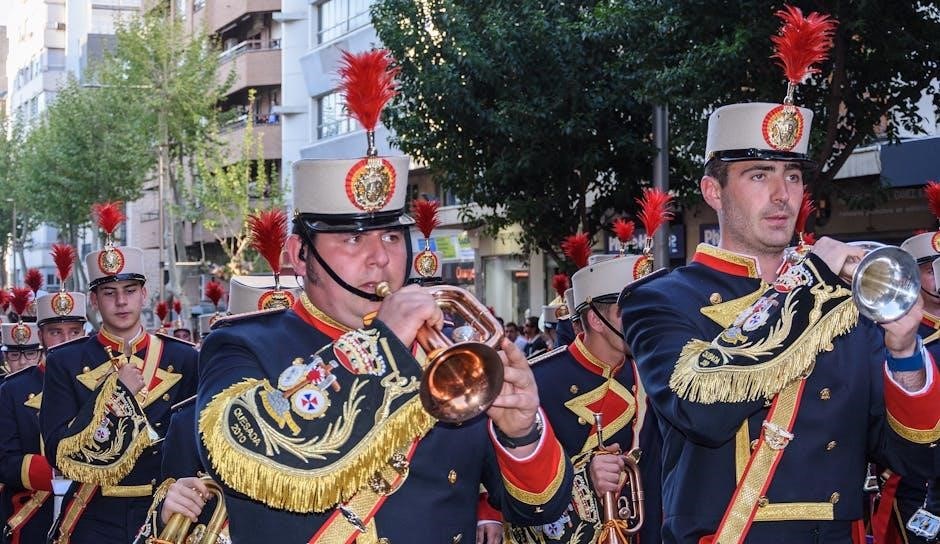
Marching band preparation relies heavily on comprehensive warm-up packets‚ often in PDF format‚ encompassing wind and percussion exercises for optimal performance․
These PDF resources frequently include fundamental exercises‚ chorales‚ cadences‚ and technique builders‚ designed to elevate ensemble readiness throughout the season․
Specifically‚ percussion warm-up PDFs focus on stroke development‚ timing‚ and roll technique‚ providing a solid foundation for beginner and intermediate players․
What is a Marching Band Warmup?
A marching band warmup is a carefully structured sequence of musical and physical exercises designed to prepare performers for the demands of rehearsal or performance․ It’s far more than simply playing a few scales; it’s a holistic preparation encompassing embouchure development‚ breath control‚ articulation‚ and fundamental technique for each instrument section․
These warmups‚ frequently compiled into convenient PDF packets‚ serve as a foundational element for achieving a unified and polished sound․ A well-designed warmup progressively increases the physical and mental readiness of the ensemble․ They often include long tones‚ lip slurs‚ scales‚ and arpeggios‚ tailored to the specific needs of brass‚ woodwinds‚ and percussion․
The goal isn’t just technical proficiency‚ but also fostering ensemble blend‚ intonation‚ and a shared musical understanding․ PDF warmups provide consistency and structure‚ ensuring all members are working towards the same objectives before tackling more complex musical passages or marching drills․ They are the cornerstone of a successful marching band program․
The Importance of Warmups for Marching Musicians
Warmups are absolutely critical for marching musicians due to the unique physical and musical demands of the activity․ Unlike traditional ensembles‚ marching band requires simultaneous performance of complex music while executing precise movements․ This dual demand necessitates thorough preparation to prevent injury and maximize performance quality․
Utilizing PDF-based warmup routines ensures consistency and allows for focused practice․ Proper warmups increase blood flow to muscles‚ improve flexibility‚ and enhance breath support – all vital for sustained performance․ They also refine embouchure control and articulation‚ leading to cleaner‚ more accurate playing․
Furthermore‚ warmups cultivate ensemble cohesion․ Shared exercises in a PDF format promote blend‚ intonation‚ and rhythmic precision․ Ignoring warmups significantly increases the risk of strain‚ fatigue‚ and subpar musicality‚ ultimately hindering the band’s overall success․
Key Components of Effective Marching Band Warmups
Effective marching band warmups‚ often distributed as comprehensive PDF packets‚ incorporate several key elements․ A successful routine begins with individual instrument-specific exercises‚ focusing on breath control (for brass and woodwinds) and fundamental stroke development (for percussion)․ These build a solid technical foundation․
Next‚ ensemble exercises are crucial‚ utilizing long tones‚ scales‚ and arpeggios to refine intonation‚ blend‚ and balance․ PDF warmups frequently include chord progressions designed to address these areas․ Integrating simple rhythmic patterns and dynamic variations adds complexity․
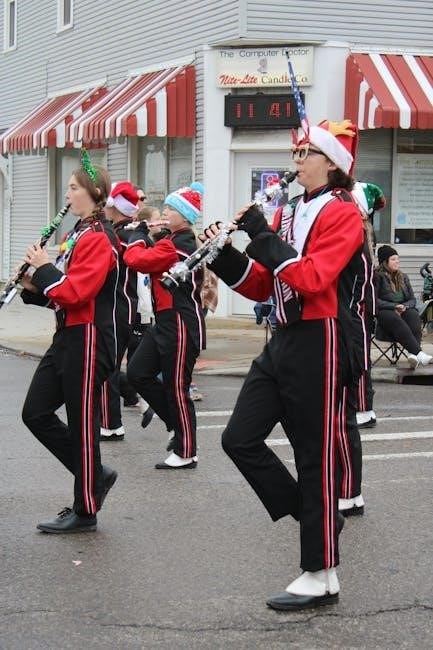
Finally‚ a transition to movement is essential․ Stationary exercises should seamlessly evolve into marching warmups‚ combining musicality with basic steps and coordination drills․ A well-structured PDF will guide this progression‚ preparing the ensemble for the demands of the field․
Warmup Exercises for Different Sections
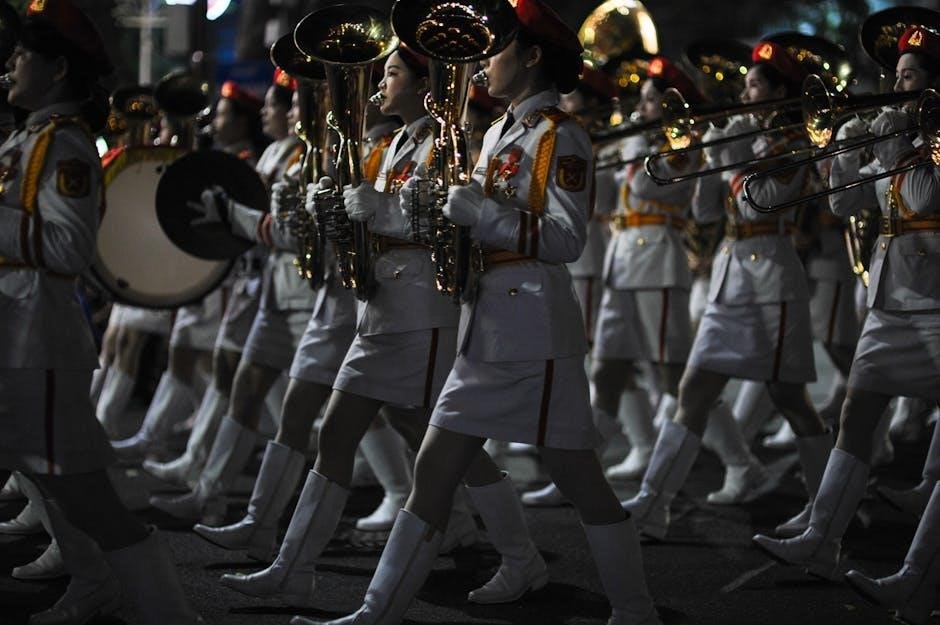
Marching band warmup PDFs categorize exercises by section – brass‚ woodwinds‚ and percussion – ensuring targeted preparation for each instrument’s unique technical demands․
Brass Warmup Exercises
Marching band PDF warmup packets dedicated to brass sections prioritize fundamental techniques crucial for consistent performance on the field․ These exercises commonly begin with long tones‚ fostering breath control and a focused embouchure‚ essential for sustained notes during marching․
Lip slurs and flexibility exercises follow‚ expanding range and improving agility‚ while articulation exercises refine clarity and precision in rhythmic passages․ A solid tuning sequence‚ often included‚ ensures ensemble intonation․
Furthermore‚ chord progressions within these PDFs help develop blend‚ balance‚ and the ability to project a powerful‚ unified sound‚ vital for competitive marching bands․ These focused drills prepare brass players for the physical and musical demands of a performance․
Long Tones and Breath Control
Within marching band warmup PDFs‚ long tone exercises for brass are foundational‚ emphasizing consistent airflow and embouchure stability․ These exercises typically begin with sustained notes at a comfortable dynamic level‚ gradually increasing in duration and volume․
The focus is on maintaining a full‚ resonant tone throughout the entire breath cycle‚ avoiding wavering or tension․ Breath control drills often incorporate specific breathing techniques‚ like diaphragmatic breathing‚ to maximize air capacity and support․

These PDF resources frequently include instructions for monitoring air velocity and embouchure firmness‚ ensuring players develop the core fundamentals needed for endurance and tonal quality while marching and performing․
Lip Slurs and Flexibility
Marching band warmup PDFs dedicate significant attention to lip slurs and embouchure flexibility‚ crucial for range and agility․ These exercises involve smoothly transitioning between notes without tonguing‚ relying solely on lip and embouchure adjustments․
Typically‚ PDF materials present ascending and descending patterns‚ starting within a comfortable range and gradually expanding․ Players focus on maintaining a consistent airflow and avoiding tension in the facial muscles․
Effective lip slur exercises build muscle memory and improve responsiveness‚ enabling brass players to navigate challenging passages with greater ease and precision during performances․ These warmups are vital for sustained intonation and a clear‚ consistent tone․
Articulation Exercises for Brass
Marching band warmup PDFs consistently include articulation exercises for brass players‚ focusing on clarity‚ precision‚ and consistency of attack․ These exercises develop the tongue’s ability to initiate notes cleanly and rhythmically‚ essential for marching formations and musical phrasing․
Common PDF materials feature patterns utilizing various syllables – “Tah‚” “Dah‚” or “Too” – to promote different tongue positions and articulation styles․ Players practice scales‚ arpeggios‚ and rhythmic figures with these articulations․
Emphasis is placed on maintaining a relaxed jaw and consistent airflow while articulating․ Mastering these exercises ensures a unified and impactful sound from the brass section‚ enhancing the overall performance quality during both stationary and mobile segments․
Woodwind Warmup Exercises
Marching band warmup PDFs dedicate significant attention to woodwind players‚ recognizing the unique demands placed on embouchure and breath control during physical activity․ These exercises aim to establish a consistent tone‚ improve flexibility‚ and enhance overall technique․
Typical PDF resources begin with long tones‚ focusing on sustained notes to develop breath support and tonal quality․ Following this‚ scales and arpeggios are introduced to build finger dexterity and intonation accuracy․
Flexibility exercises‚ often incorporating overtones or interval skips‚ further refine embouchure control․ The goal is to prepare woodwinds for the dynamic range and endurance required in a demanding marching show‚ ensuring a balanced and resonant sound․
Embouchure and Tone Production
Marching band warmup PDFs prioritize embouchure development and consistent tone production for woodwind instruments‚ crucial for maintaining sound quality while marching․ Initial exercises focus on establishing a relaxed yet firm embouchure‚ avoiding tension that hinders airflow and intonation․
Long tones are fundamental‚ encouraging students to focus on breath support and resonance․ These exercises often include dynamic variations – crescendos and diminuendos – to build control․
PDF resources may also incorporate vowel sounds or syllable exercises to shape the oral cavity and improve tone color․ The aim is to create a focused‚ consistent sound that projects effectively‚ even during strenuous physical exertion‚ ensuring a unified woodwind section․
Scales and Arpeggios for Woodwinds
Marching band warmup PDFs extensively utilize scales and arpeggios for woodwinds‚ building technical proficiency and reinforcing fingerings while enhancing intonation․ These exercises aren’t merely about speed; they emphasize accuracy‚ evenness of tone‚ and consistent articulation․
PDF resources typically begin with major scales‚ progressing to minor scales (harmonic‚ melodic‚ and natural) and arpeggios․ Variations‚ such as playing scales in different rhythms or articulations‚ challenge students and improve adaptability․
Chromatic scales are also included to develop finger dexterity․ The goal is to internalize scale patterns‚ enabling woodwind players to navigate complex musical passages confidently during performances‚ contributing to a polished and precise sound․
Woodwind Flexibility Exercises
Marching band warmup PDFs dedicate significant attention to woodwind flexibility exercises‚ crucial for dynamic range and expressive playing while marching․ These exercises aim to improve embouchure control and breath support‚ vital for maintaining consistent tone quality during physical exertion․
Common PDF inclusions feature overblown exercises‚ expanding the instrument’s range and strengthening the embouchure․ Additionally‚ exercises involving wide intervals and rapid register changes enhance agility and responsiveness․
Lip slurs‚ often presented in PDF format‚ are fundamental for smooth transitions between notes․ The objective is to build a flexible and resilient embouchure‚ allowing woodwind players to execute challenging musical phrases with precision and control on the field․
Percussion Warmup Exercises
Marching band warmup PDFs prioritize percussion-specific exercises‚ focusing on foundational skills essential for both battery and pit percussionists․ These PDF resources typically begin with basic stroke development‚ emphasizing proper grip‚ fulcrum point‚ and rebound control for consistent sound production․
Timing and rudimental exercises are heavily featured‚ building rhythmic accuracy and coordination․ Common PDF inclusions involve single‚ double‚ and paradiddle variations at varying tempos‚ preparing players for complex rhythmic patterns․
Roll development is another key component‚ with exercises designed to create smooth‚ even rolls across the entire dynamic range․ These PDFs often include specific techniques for both snare drum and timpani‚ ensuring a well-rounded percussion section․
Basic Stroke Development
Marching band percussion warmup PDFs consistently emphasize basic stroke development as the cornerstone of technique․ These exercises focus on establishing a consistent and controlled sound‚ beginning with proper grip fundamentals – matched or traditional grip‚ depending on the ensemble’s preference․
PDF materials detail the importance of the fulcrum point and rebound‚ guiding students to maximize efficiency and minimize tension․ Common exercises include single strokes at varying dynamics and tempos‚ often utilizing a metronome for precision․
Emphasis is placed on achieving a full‚ resonant sound with each stroke‚ while maintaining consistent height and evenness․ These foundational exercises‚ found within warmup PDFs‚ build the necessary control for more advanced techniques․
Timing and Rudimental Exercises
Marching band warmup PDFs dedicate significant attention to timing and rudimental exercises‚ crucial for ensemble cohesion and rhythmic accuracy․ These exercises often begin with simple rhythmic patterns played in unison‚ reinforcing a shared pulse and internal clock․
Rudiments like single stroke rolls‚ double stroke rolls‚ and paradiddles are frequently included‚ initially at slow tempos to ensure clean execution․ PDF resources often provide variations of these rudiments‚ incorporating accents and dynamic changes․
The goal is to develop both individual rhythmic precision and the ability to lock into a collective groove․ Utilizing a metronome is paramount‚ and PDFs may suggest specific exercises for subdividing the beat and internalizing complex rhythms․
Roll Development for Percussion
Marching band warmup PDFs prioritize roll development for percussionists‚ focusing on consistency‚ speed‚ and dynamic control․ These exercises typically start with basic single stroke roll practice‚ emphasizing evenness and a relaxed grip․
Progressive PDF routines introduce double and triple stroke rolls‚ gradually increasing tempo while maintaining clarity․ Attention is given to building a full‚ resonant sound across the entire dynamic range․
Many resources include exercises for controlling roll decay and achieving smooth transitions between dynamics; PDFs often incorporate stick height variations to further refine technique and musicality․ The ultimate aim is to cultivate versatile and expressive roll playing‚ essential for both rhythmic and melodic passages․
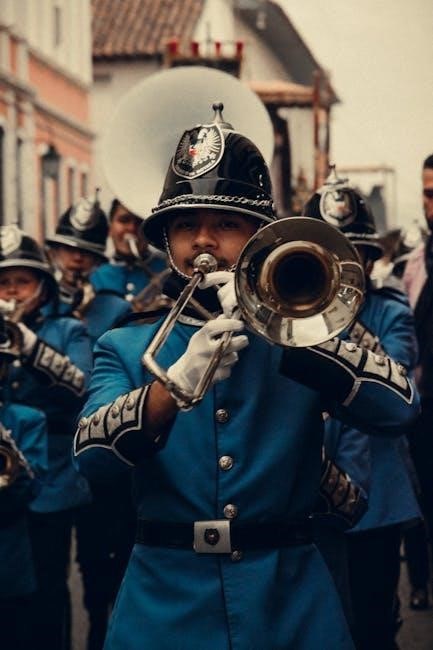
Integrating Movement into Warmups
PDF warmup guides often blend stationary exercises with marching drills‚ building coordination and stamina‚ preparing musicians for performance demands on the field․
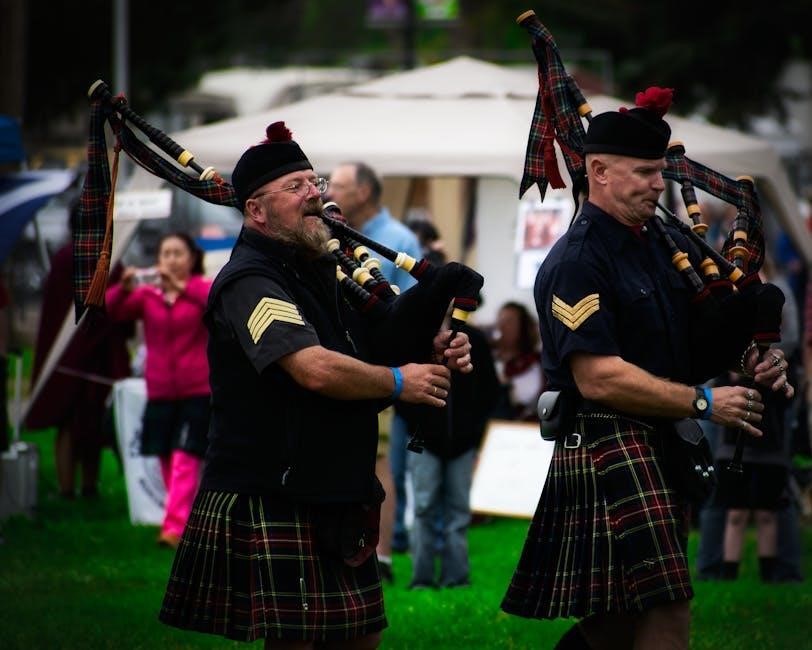
Stationary vs․ Moving Warmups
Marching band warmup PDFs typically present a progression from stationary to moving exercises․ Stationary warmups‚ conducted while standing in place‚ prioritize fundamental technique – embouchure work‚ breath control‚ and basic articulation – without the added complexity of locomotion․
These initial phases establish a solid musical foundation before introducing movement․ Moving warmups‚ conversely‚ integrate marching steps with musical phrases‚ demanding coordination and endurance․ A well-structured PDF will detail how to transition smoothly between these phases․
Beginner-level PDFs often emphasize simple stationary exercises‚ gradually incorporating basic marching steps․ Advanced PDFs may include complex moving drills‚ simulating show choreography while maintaining musical precision․ The goal is to build muscle memory and ensure musicians can perform accurately while in motion‚ ultimately enhancing the visual and auditory impact of the performance․
Warmups for Beginners: First Steps While Marching
Marching band warmup PDFs designed for beginners prioritize simplicity and gradual progression when introducing movement․ Initial marching warmups often utilize the first few notes learned in band‚ paired with elementary rhythms‚ to build foundational skills․
These PDFs typically focus on establishing a consistent forward march with proper posture and instrument carriage‚ while simultaneously playing basic scales or long tones․ The emphasis is on coordinating breath support‚ embouchure control‚ and step timing․
A good beginner PDF will include clear diagrams and instructions‚ breaking down each step into manageable components․ Progressive exercises gradually increase complexity‚ adding variations in rhythm‚ dynamics‚ and marching style‚ ensuring a solid base for more advanced techniques․
Coordination Exercises: Combining Music and Motion
Marching band warmup PDFs dedicated to coordination seamlessly integrate musical performance with physical movement‚ building crucial ensemble cohesion․ These exercises often begin with simple combinations‚ like playing a scale while marching in step‚ gradually increasing in complexity․
PDF resources frequently include exercises that challenge students to maintain consistent tone quality and rhythmic accuracy while executing various marching maneuvers – turns‚ slides‚ and changes in direction․
Advanced coordination warmups might incorporate visual elements‚ requiring musicians to play different musical phrases based on specific formations or cues․ Effective PDFs provide detailed instructions and visual aids‚ fostering a strong connection between musicality and physical precision․

Creating a Marching Band Warmup PDF
Marching band warmup PDFs require essential elements like exercises for all sections‚ clear formatting‚ and accessibility features for optimal ensemble preparation;
Essential Elements to Include in a PDF Warmup Packet
A truly effective marching band warmup PDF packet must be meticulously crafted to address the needs of the entire ensemble․ Essential inclusions begin with section-specific exercises – brass‚ woodwinds‚ and percussion – each tailored to their unique technical demands․ For brass‚ long tones‚ lip slurs‚ and articulation studies are paramount․ Woodwinds benefit from embouchure work‚ scales‚ and flexibility drills․ Percussion requires stroke development‚ timing exercises‚ and roll patterns․
Beyond individual section work‚ incorporate combined exercises that promote ensemble blend and intonation․ Wind chorales and percussion cadences are excellent choices․ A solid tuning sequence is non-negotiable‚ ensuring the band starts rehearsals in harmony․ Chord progressions aid in sustain‚ balance‚ and loud playing control; Finally‚ clearly label each exercise with instructions and suggested tempos‚ making the PDF user-friendly for all musicians․
PDF Formatting and Accessibility Considerations
When creating a marching band warmup PDF‚ thoughtful formatting significantly enhances usability․ Utilize clear‚ legible fonts and consistent spacing for easy reading during rehearsals‚ often outdoors with varying light conditions․ Logical organization is key; group exercises by section and clearly label each with descriptive titles․ Include page numbers for quick reference․
Accessibility is equally crucial․ Ensure sufficient contrast between text and background colors for visually impaired musicians․ Consider providing alternative text descriptions for any images or musical notation․ A well-structured PDF with tagged content allows screen readers to interpret the document effectively․ Finally‚ optimize the file size for efficient downloading and printing‚ balancing image quality with file dimensions․
Resources for Finding and Downloading Marching Band Warmup PDFs
Numerous online platforms offer marching band warmup PDFs‚ catering to diverse skill levels and instrumentation․ Websites dedicated to band education‚ like MVP Studies for Marching Band‚ provide comprehensive ensemble warmups for purchase or preview․ Many band directors share resources on educational forums and social media groups‚ offering free or low-cost options․
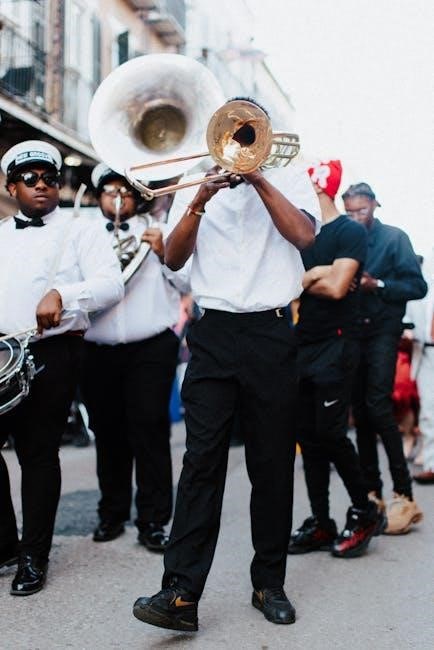
Sheet music retailers often stock warmup packets in PDF format․ A targeted Google search using keywords like “marching band warmup PDF‚” “percussion warmups PDF‚” or “brass warmups PDF” yields a wealth of results․ Always verify the source’s credibility and ensure the material aligns with your band’s needs and abilities before downloading and implementing the exercises․
Advanced Warmup Techniques for Competitive Bands
Competitive marching bands require highly refined warmups extending beyond fundamental exercises․ Advanced PDF resources often incorporate interval training for intonation‚ complex rhythmic variations to enhance precision‚ and extended range exercises for individual sections․ These PDFs may include specialized drills focusing on blend‚ balance‚ and dynamic control‚ crucial for achieving high scores․
Furthermore‚ incorporating visualization techniques and mental preparation exercises into the warmup routine‚ often detailed in advanced PDF guides‚ can significantly improve performance quality․ Directors may create custom PDF packets tailored to the specific demands of their show design‚ addressing unique musical and visual challenges; Prioritizing efficient and focused warmups is paramount for competitive success․