Audi R8 V10 Manual: A Comprehensive Guide (2024/2026)
As Jacky Ickx proclaimed, this R8 delivers exceptional handling; this guide explores the intricacies of the manual version, offering insights for enthusiasts and owners․
The Audi R8 V10 Manual represents a pinnacle of automotive engineering, blending a high-performance naturally aspirated V10 engine with the engaging experience of a six-speed manual transmission․ Revered by figures like Jacky Ickx for its exceptional handling, this iteration of the R8 offers a uniquely visceral connection to the driving experience․
This guide delves into every facet of owning and operating this remarkable machine, from its historical context and technical specifications to practical maintenance advice and performance enhancement options․ We aim to provide both novice enthusiasts and seasoned R8 owners with the knowledge needed to fully appreciate and enjoy this modern classic․
Historical Overview of the R8 V10
The Audi R8 first emerged in 2007, challenging established supercar norms with its mid-engine layout and available manual transmission․ Inspired by Audi’s successful Le Mans race cars, the R8 quickly gained acclaim, with Jacky Ickx praising its exceptional handling․ The V10 engine, introduced shortly after the initial V8 model, elevated performance significantly․
Over its lifespan, the R8 V10 underwent refinements, but the core appeal – its naturally aspirated engine and driver-focused experience – remained constant․ The manual transmission, though less common, became a sought-after configuration for purists, solidifying the R8’s place in automotive history․
Engine Specifications & Performance
The heart of the R8 V10 is its naturally aspirated 5․2-liter V10 engine, a masterpiece of engineering delivering exhilarating performance․ Power output varies slightly depending on the year, generally ranging from 525 to 605 horsepower․ This potent engine, coupled with the manual transmission, provides a raw and engaging driving experience․
Acceleration is breathtaking, with 0-60 mph times typically under 3․5 seconds․ The engine’s high-revving nature and distinctive exhaust note contribute to the R8’s visceral appeal, making it a true driver’s machine․
V10 Engine Details (5․2L)
Audi’s 5․2-liter V10 is a marvel of modern engine design, featuring direct fuel injection and a high 10:1 compression ratio․ Its dry-sump lubrication system ensures consistent oil supply during aggressive driving maneuvers․ The engine boasts a 90-degree V-angle, contributing to its smooth operation and balanced power delivery․
Internally, forged pistons and connecting rods enhance durability, while dual-branch exhaust manifolds optimize gas flow․ This robust construction allows for sustained high-RPM performance, delivering an unforgettable auditory and visceral experience․
Transmission & Drivetrain (6-Speed Manual)

The R8 V10 manual utilizes a robust 6-speed gearbox, renowned for its precise shifts and satisfying mechanical feel․ It’s a rear-wheel-drive configuration, delivering a pure driving experience focused on driver skill and engagement․ A limited-slip differential effectively manages power distribution, maximizing traction during cornering and acceleration․
The drivetrain is meticulously engineered to handle the V10’s substantial output, ensuring reliable performance and durability․ This setup provides a direct connection between the engine and the road, enhancing driver control․
Driving Experience & Handling
The Audi R8 V10 manual offers a visceral and engaging driving experience, prioritizing driver connection․ Its balanced chassis and mid-engine layout contribute to exceptional handling characteristics, inspiring confidence on both road and track․ The manual transmission demands active participation, rewarding skilled drivers with precise control․
Steering is direct and communicative, providing ample feedback․ The R8 feels remarkably agile, responding instantly to driver inputs, making it a truly rewarding machine to pilot․
Manual Transmission Operation & Techniques
Mastering the R8’s 6-speed manual requires smooth and precise technique․ Heel-toe downshifting is highly recommended for maintaining engine speed during cornering, enhancing control and stability․ Rev-matching on upshifts also contributes to seamless gear changes․
The clutch is relatively light, but engagement is direct․ Avoid abrupt clutch release to prevent wheelspin․ Practice smooth transitions between gears to fully exploit the V10’s power and responsiveness, maximizing the driving experience․
Steering & Suspension Characteristics
The Audi R8 V10 Manual boasts incredibly responsive steering, providing direct feedback and exceptional precision․ Its hydraulic power steering system offers a natural feel, connecting the driver intimately with the road․ The suspension, tuned for both road and track, delivers a remarkable balance between comfort and control․
Magnetic Ride Control, standard on many models, adjusts damping rates in milliseconds, optimizing handling based on road conditions and driving style․ This results in a composed and confident ride․
Interior Features & Technology
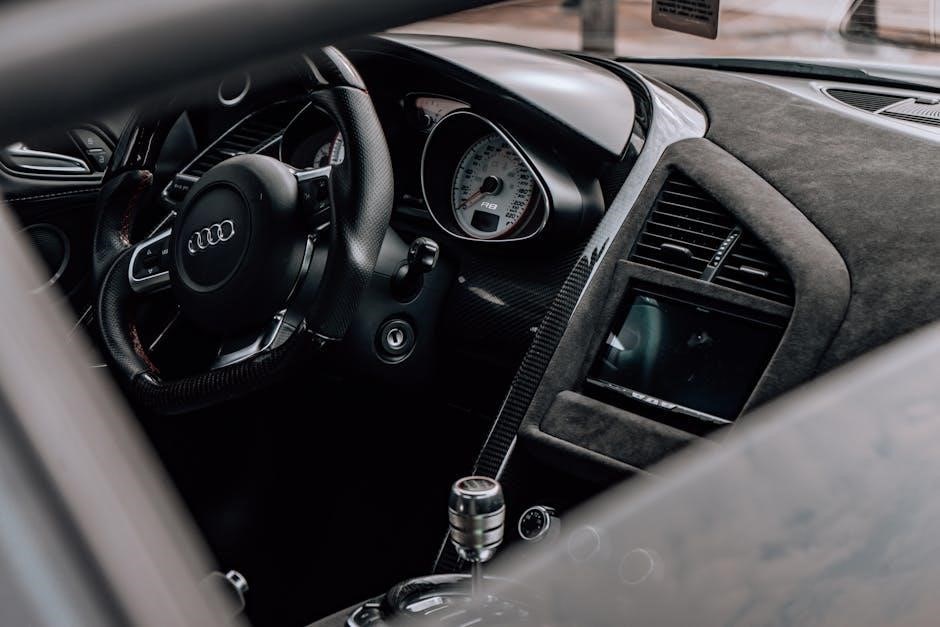
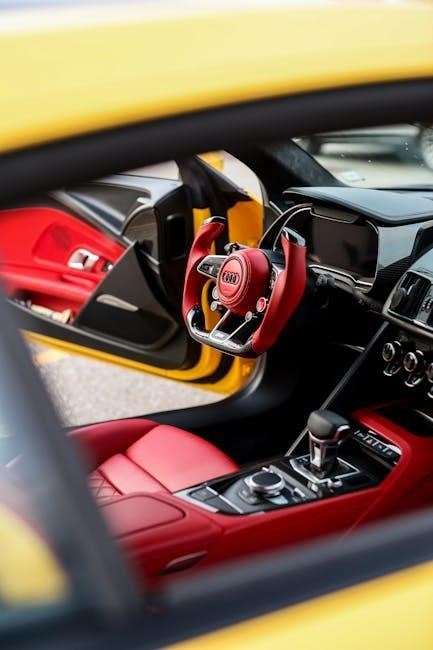
The R8 V10 Manual’s interior blends luxury with a driver-focused design․ High-quality materials, like fine leather and carbon fiber trim, create a sophisticated atmosphere․ The cockpit prioritizes ergonomics, placing essential controls within easy reach․ Audi’s Virtual Cockpit, a fully digital instrument cluster, provides customizable information displays․
Advanced technology includes a premium sound system and intuitive infotainment controls․ Despite its performance focus, the R8 doesn’t compromise on comfort or convenience features․
Cockpit Design & Ergonomics
The Audi R8 V10 Manual’s cockpit is meticulously designed for the driver․ A low seating position and a wrap-around dashboard enhance the sense of connection to the car․ Controls are logically arranged and tactilely satisfying, promoting intuitive operation even during spirited driving․ The steering wheel, often wrapped in Alcantara, feels substantial in hand․
Ergonomics prioritize comfort on long journeys, with supportive seats and adjustable pedals․ Visibility is excellent, aiding confidence on both road and track․

Infotainment System & Controls
The Audi R8 V10 Manual features a sophisticated infotainment system, though it’s deliberately secondary to the driving experience․ A central MMI touchscreen display controls navigation, audio, and vehicle settings․ Audi’s Virtual Cockpit, a fully digital instrument cluster, provides customizable information directly in the driver’s line of sight․
Physical buttons and dials offer quick access to essential functions, minimizing distraction․ Bluetooth connectivity and smartphone integration are standard, enhancing convenience․
Maintenance & Servicing
Maintaining an Audi R8 V10 Manual requires diligent attention to detail․ Scheduled servicing is crucial, with intervals dictated by mileage or time, whichever comes first․ Oil changes, filter replacements, and fluid checks are standard procedures․ The complex V10 engine and manual transmission demand specialized expertise․
Regular inspections of brake components, suspension elements, and cooling systems are vital․ Addressing minor issues promptly prevents costly repairs down the line, preserving the R8’s performance and value․
Scheduled Maintenance Intervals
The Audi R8 V10 Manual follows a tiered maintenance schedule․ Minor services, typically every 10,000 miles or annually, include oil and filter changes, fluid level checks, and visual inspections․ Major services, around 20,000 miles or two years, encompass more extensive work like spark plug replacement and brake system overhauls․
Transmission fluid changes are recommended at specific intervals, crucial for smooth manual operation․ Adhering to this schedule ensures optimal performance and longevity, safeguarding your investment․
Common Issues & Troubleshooting
R8 V10 Manuals can experience clutch wear, particularly with spirited driving․ Listen for slippage or difficulty engaging gears․ Oil leaks, often from valve cover gaskets, require attention․ The direct-injection system may develop carbon buildup, impacting performance; regular fuel system cleaners can help․
Electrical gremlins, though infrequent, can occur․ Diagnostic scans are vital for pinpointing issues․ Addressing these promptly prevents escalation and maintains the R8’s reliability․
Performance Modifications & Tuning
Unlocking the R8 V10’s potential involves several avenues․ ECU remapping is popular, yielding significant power gains by optimizing fuel delivery and ignition timing․ Upgraded exhaust systems, including headers and cat-back configurations, reduce backpressure and enhance exhaust flow, further boosting horsepower․
Intake modifications improve airflow, complementing exhaust upgrades․ However, maintain a balance to avoid compromising the engine’s reliability and drivability․ Professional tuning is crucial for optimal results․
ECU Remapping & Power Gains
ECU remapping fundamentally alters the R8 V10’s performance characteristics․ By adjusting parameters like fuel injection, ignition timing, and boost pressure (if applicable), significant power gains are achievable․ Stage 1 tunes typically offer a 20-30 horsepower increase, while more aggressive Stage 2 remaps can exceed 50 horsepower․
However, remapping voids the factory warranty and requires careful consideration of component limitations․ Professional tuning is essential to ensure engine longevity and prevent damage․
Exhaust System Upgrades
Upgrading the exhaust system unlocks a more aggressive sound and potential performance benefits for the R8 V10․ Options range from cat-back systems, which replace components after the catalytic converters, to full exhaust systems including headers and high-flow cats․
These upgrades reduce backpressure, improving exhaust flow and potentially adding 10-20 horsepower․ Lightweight titanium exhausts further reduce weight, enhancing handling․ Ensure compatibility and consider local noise regulations before installation․
Buying a Used Audi R8 V10 Manual
Acquiring a used R8 V10 manual requires diligent inspection․ Verify a complete service history, focusing on major maintenance like timing belt replacements and clutch condition․ Examine the body for accident damage, particularly around the frame rails․
Check for signs of track use, such as brake wear and suspension component condition․ A pre-purchase inspection by a qualified mechanic is crucial․ Confirm all electronics function correctly and review the car’s VIN history for any reported issues․
What to Look For During Inspection
A thorough inspection is paramount when considering a used R8 V10 manual․ Prioritize checking the clutch’s engagement and feel for signs of slipping, indicating potential wear․ Inspect the gearbox for smooth shifts across all gears, listening for any unusual noises․
Examine the engine for oil leaks, coolant loss, and unusual sounds․ Scrutinize the bodywork for evidence of repairs or paint inconsistencies․ Verify the functionality of all electronic systems, including the infotainment and driver aids․
Market Value & Pricing Trends
The Audi R8 V10 manual’s value is influenced by year, mileage, condition, and options․ Generally, 2024/2026 models command a premium due to their relative newness and desirability․ Expect a range from $140,000 to $220,000, though exceptionally low-mileage or rare configurations can exceed this․
Pricing trends show consistent demand, with manual versions often fetching higher prices than automatics․ Market fluctuations occur based on economic conditions and collector interest, so diligent research is crucial․
R8 V10 Manual vs․ Automatic Versions

The core debate centers on driver engagement․ The R8 V10 manual offers a more visceral connection, demanding active participation and rewarding skillful driving․ Automatic versions prioritize convenience and potentially slightly quicker lap times due to consistent shifts․
However, many enthusiasts argue the manual transmission enhances the overall experience, providing a greater sense of control and enjoyment․ The automatic, while capable, lacks the raw emotional appeal of the stick shift․
Performance Comparison
Objectively, the performance gap between the R8 V10 manual and automatic is minimal․ Both achieve similar acceleration figures, with the automatic potentially edging ahead in 0-60 mph tests due to faster, computer-controlled shifts․ However, real-world driving reveals a nuanced difference․
The manual demands precise gear selection, potentially sacrificing fractions of a second, while the automatic maintains optimal power delivery․ Ultimately, the driver’s skill significantly impacts performance in the manual variant․
Driver Engagement & Preference
The core distinction lies in driver engagement․ The R8 V10 manual fosters a deeply connected experience, demanding active participation and rewarding skillful driving with a visceral sense of control․ This appeals to purists seeking maximum involvement․
Conversely, the automatic prioritizes convenience and effortless speed․ Preference hinges on individual driving style; those valuing raw connection will gravitate towards the manual, while others may prefer the automatic’s ease of use․

Safety Features & Systems
The Audi R8 V10 Manual prioritizes safety alongside performance․ A sophisticated braking system, featuring robust ABS, ensures confident stopping power even under extreme conditions․ Stability control and traction control systems work in harmony to mitigate oversteer and maintain optimal grip․
These electronic aids are finely tuned to enhance driver control without intruding excessively, allowing for a thrilling yet secure driving experience․ Audi’s commitment to safety is evident throughout the R8’s design․
Braking System & ABS
The Audi R8 V10 Manual boasts a high-performance braking system designed for exceptional stopping power․ Large-diameter, cross-drilled rotors are paired with multi-piston calipers, providing consistent and reliable braking even during intense track use․ The Anti-lock Braking System (ABS) is finely calibrated․
It prevents wheel lockup, maximizing steering control and minimizing stopping distances on various surfaces․ This system is crucial for maintaining composure and safety at high speeds, offering a reassuring level of control․
Stability Control & Traction Control
Audi’s sophisticated stability and traction control systems are integral to the R8 V10 Manual’s safety and performance․ The Electronic Stability Program (ESP) detects and mitigates oversteer or understeer, enhancing control during spirited driving․ Traction control minimizes wheelspin during acceleration, optimizing grip and power delivery․
These systems work seamlessly, allowing drivers to confidently explore the car’s limits while maintaining a secure driving experience․ Adjustable settings permit customization based on driving conditions and preferences․

R8 V10 Manual: Track Day Preparation
Preparing your Audi R8 V10 Manual for a track day demands meticulous attention to detail․ Begin with high-performance brake pads and fluid, ensuring consistent stopping power under intense heat․ Track-focused tires are crucial for maximizing grip and cornering ability․
A comprehensive fluid check – oil, coolant, and transmission fluid – is essential․ Consider a roll bar for added safety, and secure a helmet and appropriate racing gear․ Finally, familiarize yourself with the track layout beforehand․
Essential Track Day Modifications
For optimal R8 V10 Manual track performance, several modifications are highly recommended․ High-temperature brake fluid and performance pads are paramount, resisting fade during demanding sessions․ Upgraded brake lines improve pedal feel and responsiveness․

Consider a dedicated track wheel and tire package for maximum grip․ A proper oil cooler ensures consistent engine lubrication, while a roll bar enhances safety․ Finally, a data logging system provides valuable insights into your driving and car’s performance․
Driving Techniques for Optimal Performance
Mastering heel-toe downshifting is crucial for smooth corner entry with the R8 V10 Manual․ Precise throttle control and late braking maximize speed while maintaining stability․ Utilize the full width of the track, focusing on smooth steering inputs․
Learn to trail brake into corners, subtly reducing pressure to maintain grip․ Anticipate apexes and plan your exit strategy․ Consistent lap times come from precision, not aggression, and understanding the car’s limits․
Future Value & Collectibility

The Audi R8 V10 Manual is poised to become a highly sought-after collectible․ Its limited production numbers, coupled with the increasing rarity of manual transmissions, contribute to its potential appreciation․ Well-maintained, low-mileage examples will likely command premium prices․
Early models, particularly those with desirable options, are already attracting attention from collectors․ The R8’s iconic status and performance legacy further solidify its long-term investment potential, making it a compelling choice․