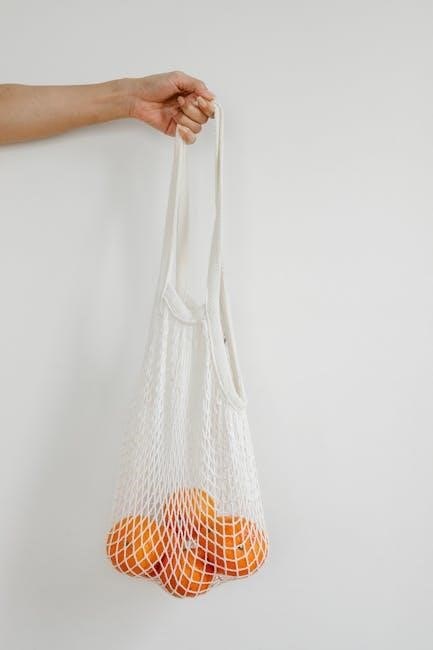
Free PDF bag patterns offer a fantastic entry point into sewing, providing diverse styles like totes and pouches. These downloadable resources empower crafters
to create personalized accessories without significant upfront costs, fostering creativity and skill development.
The Growing Popularity of DIY Bags
DIY bag making is experiencing a surge in popularity, fueled by a desire for unique, sustainable, and personalized accessories. Free PDF patterns are a key driver, democratizing access to bag-making skills. This trend reflects a broader movement towards mindful consumption and creative self-expression.
Individuals are increasingly seeking alternatives to mass-produced items, embracing the satisfaction of crafting something themselves. The availability of free, downloadable patterns removes financial barriers, encouraging beginners to explore sewing and design. This fosters a vibrant community of makers sharing ideas and inspiration.
Why Choose Free Patterns?
Free PDF bag patterns present numerous advantages for sewists of all levels. They offer a cost-effective way to experiment with new designs and techniques without financial commitment. Beginners can build confidence with simpler projects, while experienced sewers can quickly test ideas.
Access to a vast online library of patterns provides endless inspiration and customization options. Free patterns also reduce the risk associated with purchasing patterns that may not suit your style or skill level, making it a smart choice.
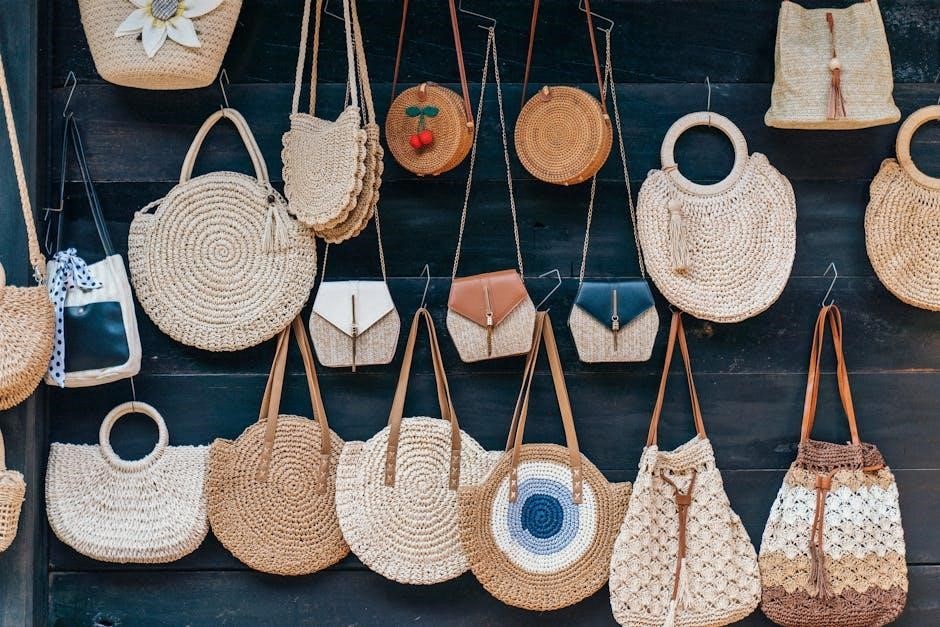
Types of Bags You Can Make with Free Patterns
Free PDF patterns unlock a world of bag-making possibilities, from simple tote bags and drawstring pouches to more complex messenger bags and backpacks.
Tote Bags: A Beginner-Friendly Option
Tote bags represent an ideal starting point for novice sewers utilizing free PDF patterns. Their straightforward construction, typically involving rectangular fabric pieces and simple seams, minimizes complexity.
Numerous online resources offer beginner-level tote bag patterns, often requiring minimal materials like cotton fabric and basic sewing supplies. These projects quickly build confidence and fundamental skills.
Variations include adding pockets, reinforced straps, or decorative elements, allowing for personalization as skills progress. Free patterns empower experimentation without financial commitment.
Drawstring Bags: Simple and Versatile
Drawstring bags are celebrated for their simplicity and adaptability, making them excellent projects using free PDF patterns. These bags require minimal cutting and sewing, primarily consisting of a rectangular fabric piece folded and secured with a drawstring.
They’re incredibly versatile – perfect for storing small items, gifts, or even as a quick and easy shopping bag alternative. Numerous free patterns offer varying sizes and fabric suggestions.
Beginners can easily master drawstring bag construction, gaining valuable experience with casings and simple closures, fostering confidence in their sewing abilities.
Pouch Bags: Quick and Easy Projects
Pouch bags represent ideal, swift sewing endeavors utilizing free PDF patterns. These small, often rectangular or zippered bags are perfect for beginners seeking immediate gratification. They require minimal fabric and offer a fantastic opportunity to practice straight stitching and basic closures.
Free pouch patterns come in diverse sizes, suitable for cosmetics, stationery, or small accessories. Detailed instructions often accompany these patterns, guiding crafters through each step.
Their compact nature makes them excellent scrap-busting projects, utilizing leftover fabric pieces efficiently.
Messenger Bags: For Intermediate Sewers
Messenger bags, while stylish and practical, present a step up in complexity, making them suited for intermediate sewing skill levels. Free PDF patterns for these bags typically involve more intricate construction, including multiple pockets, straps, and closures.
Successfully crafting a messenger bag requires precision in cutting and sewing, along with an understanding of interfacing for structure. These projects often incorporate techniques like installing buckles and adjusting strap lengths.
The reward is a durable, personalized bag perfect for daily use.
Backpack Patterns: More Complex Designs
Backpack patterns represent a significant challenge, geared towards sewists with established skills. Free PDF backpack patterns often feature adjustable straps, multiple compartments, and reinforced construction for durability and comfort.
These projects demand precise pattern matching, careful zipper installation, and a solid grasp of techniques like box corners and padding. Expect detailed instructions and potentially numerous pattern pieces.
Completing a backpack yields a rewarding, functional, and personalized carrying solution.
Where to Find Free PDF Bag Patterns
Free PDF bag patterns are readily available on dedicated sewing websites, blogs, social media groups, and online marketplaces offering free sections for downloads.
Dedicated Sewing Pattern Websites
Numerous websites specialize in sewing patterns, and many offer a selection of free PDF bag patterns to entice new sewers or showcase designers. These platforms often categorize patterns by skill level, bag type (tote, pouch, messenger), and required materials.
Exploring these sites provides access to professionally designed patterns with detailed instructions, ensuring a successful project. Some sites require registration, but the benefits of a curated collection and reliable downloads are worthwhile. Remember to check licensing terms for personal versus commercial use.
Blogs Offering Free Downloads
Sewing and crafting blogs are treasure troves for free PDF bag patterns, often created by passionate designers sharing their expertise. These patterns range from simple beginner projects like pouches to more complex designs, frequently accompanied by detailed photo tutorials.
Bloggers often offer patterns as a way to build their audience and showcase their skills. Searching relevant keywords like “free bag pattern PDF” will yield numerous results. Be mindful of ad-supported sites and ensure downloads are legitimate.
Social Media Groups and Communities
Facebook groups and online forums dedicated to sewing are vibrant hubs for sharing free PDF bag patterns. Members frequently post links to patterns they’ve discovered or even create and share their own designs.
Platforms like Pinterest also serve as visual discovery tools, leading to blogs and websites offering free downloads. Engaging within these communities allows you to ask questions, receive support, and stay inspired by fellow bag-making enthusiasts.
Online Marketplaces with Free Sections
Etsy, while known for paid patterns, often features shops offering a selection of free PDF bag patterns as lead magnets to attract customers; LoveCrafts and similar marketplaces occasionally host free pattern promotions or have dedicated sections for complimentary designs.
These free offerings provide a taste of a designer’s style and quality, potentially leading to future purchases. Regularly checking these marketplaces can uncover hidden gems for your sewing projects.

Essential Tools and Materials
Successful bag making requires basic tools: a sewing machine, sharp scissors or a rotary cutter, fabric, and essential notions like zippers and interfacing.
Fabric Choices: Cotton, Canvas, and More
Selecting the right fabric is crucial for your bag project. Cotton is beginner-friendly, ideal for lighter bags like tote bags or pouches, offering vibrant prints and ease of sewing. Canvas provides durability, perfect for messenger bags or backpacks needing structure.
Consider denim for a rugged look, or linen for a more natural aesthetic. Interfacing adds stiffness to lighter fabrics. Always pre-wash fabrics to prevent shrinkage after construction, ensuring a lasting, beautifully crafted bag!
Sewing Machine Basics
Mastering your sewing machine is key to successful bag making. Familiarize yourself with basic stitches – straight, zigzag, and backstitch – essential for construction; Understand tension settings; incorrect tension leads to puckering or loose seams.
Practice sewing straight lines on scrap fabric before starting your project. Learn to thread the machine and wind a bobbin correctly. Regular maintenance, like cleaning and oiling, ensures smooth operation and extends your machine’s lifespan.
Cutting Tools: Rotary Cutters and Scissors
Precise cutting is crucial for accurate bag construction. Rotary cutters, paired with a self-healing mat and ruler, excel at straight lines and multiple layers. Fabric scissors are vital for detailed curves and intricate pattern pieces; keep them dedicated to fabric only!
Ensure blades are sharp for clean cuts. Always cut away from your body. Consider small embroidery scissors for clipping threads and notching corners, enhancing your project’s finish.
Notions: Zippers, Buttons, and Interfacing
Essential notions elevate bag projects. Zippers add secure closures, while buttons offer decorative and functional details. Interfacing provides structure and stability to fabrics, preventing sagging and enhancing shape. Choose interfacing weight based on your fabric’s thickness.
Consider rivets, buckles, and D-rings for straps and embellishments. Quality thread matching your fabric is also key for a professional finish.

Understanding PDF Sewing Patterns
PDF patterns require careful handling. Accurate printing and scaling are crucial for correct sizing. Familiarize yourself with pattern symbols, seam allowances, and detailed instructions for successful bag construction.
Printing and Scaling Patterns
Accurate pattern printing is vital. Always select “Actual Size” or “100%” in your printer settings to avoid distortion. A test square, often included in PDF patterns, verifies correct scaling; measure it to confirm accuracy before cutting fabric. If adjustments are needed, scale uniformly during printing.
Incorrect scaling drastically alters bag dimensions. Some patterns include tiling instructions for multi-page layouts, requiring precise alignment and taping. Utilizing a local print shop guarantees professional-quality, accurately scaled patterns, especially for complex designs, saving time and frustration.
Reading Pattern Instructions
Thoroughly review instructions before starting. PDF bag patterns often use specific terminology; familiarize yourself with sewing terms and symbols. Pay close attention to cutting layouts, ensuring efficient fabric use. Understand the order of construction – lining, pockets, straps – to avoid rework.
Diagrams are crucial; study them carefully alongside written steps. Note seam allowances, often 1/4″ or 3/8″, and any special techniques required. Don’t hesitate to reread sections or search online for clarification if needed.
Understanding Seam Allowances
Seam allowances are the distance between the stitching line and the fabric edge, crucial for accurate bag construction. Free PDF bag patterns will specify this – commonly 1/4 inch or 3/8 inch. Consistent seam allowances ensure pieces fit together correctly.
Always check the pattern; varying allowances impact final dimensions. When sewing, maintain a uniform distance from the fabric edge. Practice on scrap fabric to confirm your machine settings. Accurate seam allowances result in a professional-looking, durable bag.
Beginner-Friendly Patterns to Start With
Simple tote bags and drawstring pouches are ideal starting points. Free PDF patterns for these projects offer straightforward instructions, building confidence and basic sewing skills.
Simple Tote Bag Pattern Walkthrough
Begin by downloading and printing your chosen free PDF tote bag pattern, ensuring accurate scaling. Cut two fabric pieces according to the pattern – consider sturdy cotton or canvas. With right sides facing, pin the pieces together and sew along the sides and bottom, leaving the top open.
Next, create handles from coordinating fabric, reinforcing them for durability. Attach the handles securely to the tote bag’s top edge. Finally, finish the raw edges with a simple hem or bias tape for a polished look. This beginner project yields a practical and stylish bag!
Easy Drawstring Bag Tutorial
Start with a free PDF drawstring bag pattern and cut two fabric rectangles – lightweight cotton works well. Place right sides together, and sew along the sides and bottom edges. Create a casing at the top by folding down the fabric and stitching, leaving an opening for the drawstring.
Thread a drawstring (ribbon or cord) through the casing using a safety pin. Securely knot the ends of the drawstring. This quick project is perfect for gifting, organizing, or carrying small items, offering a satisfying sewing experience.
Basic Pouch Bag Construction
Utilize a free PDF pouch pattern; these often require minimal fabric and are ideal for beginners. Cut out the pattern pieces, typically two rectangles for the pouch body and potentially a small strip for a loop or strap. With right sides facing, stitch around three sides, leaving the top open.
Turn the pouch right side out and finish the top edge. Add a closure like a button, snap, or zipper. These small bags are excellent for cosmetics, stationery, or small accessories, offering a quick and rewarding sewing project.

Intermediate Level Bag Patterns
Explore patterns for messenger bags and backpacks, demanding more precise cutting and sewing skills. These free PDF patterns often include pockets and adjustable straps for added functionality.
Messenger Bag with Pockets
Crafting a messenger bag elevates sewing skills, introducing techniques like strap construction and pocket integration. Free PDF patterns for messenger bags often feature detailed instructions for creating multiple pockets – both internal and external – enhancing organization and functionality.
Look for patterns that include templates for adjustable straps, ensuring a comfortable fit. Many intermediate-level designs incorporate lining for durability and a more polished finish. Successfully completing this project builds confidence and provides a stylish, practical accessory. Remember to carefully review seam allowances!
Backpack with Adjustable Straps
Embarking on a backpack project signifies a leap in sewing complexity, demanding precision and patience. Free PDF backpack patterns typically include instructions for creating adjustable straps, crucial for comfort and a customized fit. These patterns often feature detailed diagrams illustrating strap attachment and buckle usage.
Intermediate to advanced sewers will appreciate the challenge of constructing a fully functional backpack. Look for patterns with clear guidance on reinforcing stress points and adding durable linings. The reward is a unique, handmade backpack!
Advanced Bag Making Techniques
Mastering lining installation, zipper integration, and interfacing application elevates bag construction. These techniques, often found in complex PDF patterns,
add structure, durability, and a professional finish.
Adding Lining to Your Bags
Lining significantly enhances a bag’s durability and appearance, concealing raw edges and providing structure. Many free PDF bag patterns, particularly for intermediate to advanced projects, incorporate lining instructions. Typically, you’ll cut lining pieces mirroring the bag’s exterior, leaving a small opening for turning.
Attaching the lining often involves sewing it to the bag’s exterior with right sides together, then turning the entire bag right-side out through the opening. Hand-stitching the opening closed creates a clean finish. Consider using a contrasting lining fabric for a pop of color or a coordinating print to elevate your handmade bag!
Installing Zippers and Closures
Zippers and closures add functionality and security to your sewn bags. Free PDF bag patterns often include detailed instructions for installing various types, from simple lapped zippers to more complex concealed zippers. Practice makes perfect – start with easier zipper applications before tackling challenging designs.
Beyond zippers, explore options like magnetic snaps, buckles, or button closures. Carefully follow the pattern’s guidance for precise placement and secure attachment. Reinforcing the stitching around closures ensures longevity and prevents tearing, especially with frequently used bags.
Working with Interfacing for Structure
Interfacing is crucial for adding shape and stability to free PDF bag patterns, especially for designs needing more structure than the fabric alone provides. Different weights of interfacing suit various needs – lightweight for subtle support, heavyweight for rigid forms.
Fusible interfacing is ironed onto the fabric, while sew-in interfacing is stitched in place. Always test a small piece first! Correctly applying interfacing prevents sagging, reinforces stress points, and elevates the overall quality and durability of your handmade bag.

Customizing Your Bag Patterns
Free PDF bag patterns become uniquely yours through size adjustments and creative embellishments like appliques or embroidery. Personalize dimensions and add distinctive touches!
Adjusting Size and Dimensions
Modifying free PDF bag patterns to suit your needs is surprisingly achievable! Most patterns utilize proportional scaling, meaning you can uniformly increase or decrease the print size.
However, be mindful that significant alterations may necessitate adjustments to strap lengths or hardware placement. Carefully consider seam allowances when resizing; maintaining them ensures structural integrity.
For more complex changes, like altering height without affecting width, pattern drafting knowledge is beneficial. Remember to test a small section before committing to the entire project!
Adding Personal Touches: Appliques and Embroidery
Elevate your sewn bags with creative embellishments! Appliques, using fabric scraps in fun shapes, add a playful touch, while embroidery introduces texture and personalized designs. Consider pre-appliquéing or embroidering fabric before bag construction for easier handling. Stabilizers are crucial for delicate fabrics or intricate embroidery. Don’t be afraid to experiment with different thread colors and stitch types to truly make your bag unique!

Resources for Further Learning
Expand your skills through online sewing courses, tutorials, and dedicated sewing books. These resources offer in-depth guidance beyond free PDF patterns.
Online Sewing Courses and Tutorials
Numerous platforms host online sewing courses, ranging from beginner basics to advanced bag-making techniques. Skillshare and Creativebug offer structured classes, while YouTube provides a wealth of free tutorials specifically addressing PDF pattern usage.
Search for channels demonstrating pattern scaling, seam allowance understanding, and zipper installation. These visual aids complement free PDF bag patterns, clarifying complex steps and building confidence. Consider courses focusing on specific bag styles, like messenger bags or backpacks, to refine your skills further.
Sewing Books and Magazines
Traditional resources like sewing books and magazines often include bag patterns, offering a tactile learning experience. Look for publications dedicated to bag making or those with comprehensive sewing guides. These resources frequently detail construction techniques and provide valuable insights beyond PDF instructions.
Explore titles covering pattern adjustments, fabric selection, and finishing details. Magazines often feature seasonal bag designs, inspiring creativity. Combining book knowledge with free PDF bag patterns creates a well-rounded learning approach, enhancing your sewing expertise.

Troubleshooting Common Sewing Issues
Addressing fabric slippage and uneven seams is crucial when using free PDF bag patterns. Careful pinning, consistent seam allowances, and proper tension adjustments are key to success.
Dealing with Fabric Slippage
Fabric slippage is a common challenge when sewing bags, especially with smoother materials like cotton. To combat this, utilize a walking foot on your sewing machine; it feeds both layers evenly. Pin generously, spacing pins closely together, particularly along straight edges and curves. Consider using a fabric stabilizer or interfacing on the wrong side to add body and prevent shifting.
Lowering your presser foot pressure can also help, as excessive pressure can contribute to distortion. Test on scraps first! Finally, avoid stretching the fabric as you sew; gently guide it through the machine, maintaining consistent tension.
Fixing Uneven Seams
Uneven seams can detract from a professionally finished bag. First, ensure consistent seam allowance throughout your project – a ¼ inch guide is helpful. If seams are wavy, gently ease the fabric while sewing, avoiding pulling or stretching. Backstitch at the beginning and end of each seam to secure it.
For minor discrepancies, carefully clip into the seam allowance (avoiding stitches!) and press the seam flat. A seam ripper is your friend for significant errors; don’t hesitate to redo sections!

Staying Inspired: Bag Making Communities
Online forums and social media (#bagmaking, #sewing) connect you with fellow enthusiasts. Sharing projects and seeking advice fuels creativity and provides valuable support!
Online Forums and Groups
Engaging with online sewing communities is incredibly beneficial when utilizing free PDF bag patterns. Platforms like Reddit’s r/sewing and dedicated Facebook groups offer spaces to ask questions, share completed projects, and receive constructive feedback.
These forums often host pattern discussions, troubleshooting advice for tricky techniques, and showcases of unique customizations. Members frequently share links to newly discovered free patterns, creating a collaborative environment. Don’t hesitate to participate – learning from others accelerates your sewing journey!
Social Media Hashtags to Follow
Discovering free PDF bag patterns on social media is simple with the right hashtags! Explore #freebagpatterns, #pdfsewingpatterns, and #bagsewing on platforms like Instagram and Pinterest.
#diybags and #sewingprojects reveal a wealth of inspiration and links to downloadable patterns. Following these tags keeps your feed updated with new designs and sewing tips. Engage with posts, share your creations using these hashtags, and connect with fellow sewing enthusiasts!